The Creative SaaS niche is peculiar because it leans towards monopolies. Most of the space is dominated by less than a handful of names: think Adobe, Figma, and Canva. Without delving too far into the history of design software, it's safe to say Adobe was the first big player in a huge market. Creatives, designers, and marketers all rely on digital design and publishing software to get their jobs done.
But there have been moments when really great products were able to compete with Adobe. Some of these software include lesser-known competitors like Fireworks, Invision, and Vectr.
When Fireworks & Sketch Entered
Many years ago, Macromedia's Fireworks entered the market — the first commercial UI design software. And the first alternative to Adobe for interface design. As part of Adobe's Macromedia acquisition, Fireworks was purchased in 2005 and discontinued around 2013. One competitor down. Adobe was very slow to build their own UI design software — Adobe XD was only launched in 2016, a full decade after the acquisition — and focused instead on their flagship offering: Illustrator and Photoshop. UI/UX designers were less than pleased:
"The only reason I pay for my Creative Cloud license is for Adobe Fireworks. Like me, other UX professionals use Fireworks to design Wireframes, Mockups, and Prototypes. It seems like Adobe is totally disconnected with the customer, and they don't really get what the purpose of Fireworks is! This is terrible Adobe, Fireworks is the best tool for Web and Interface design, and it does it fast." — Tawhidzkhan on Adobe Community, 6 Oct 2013
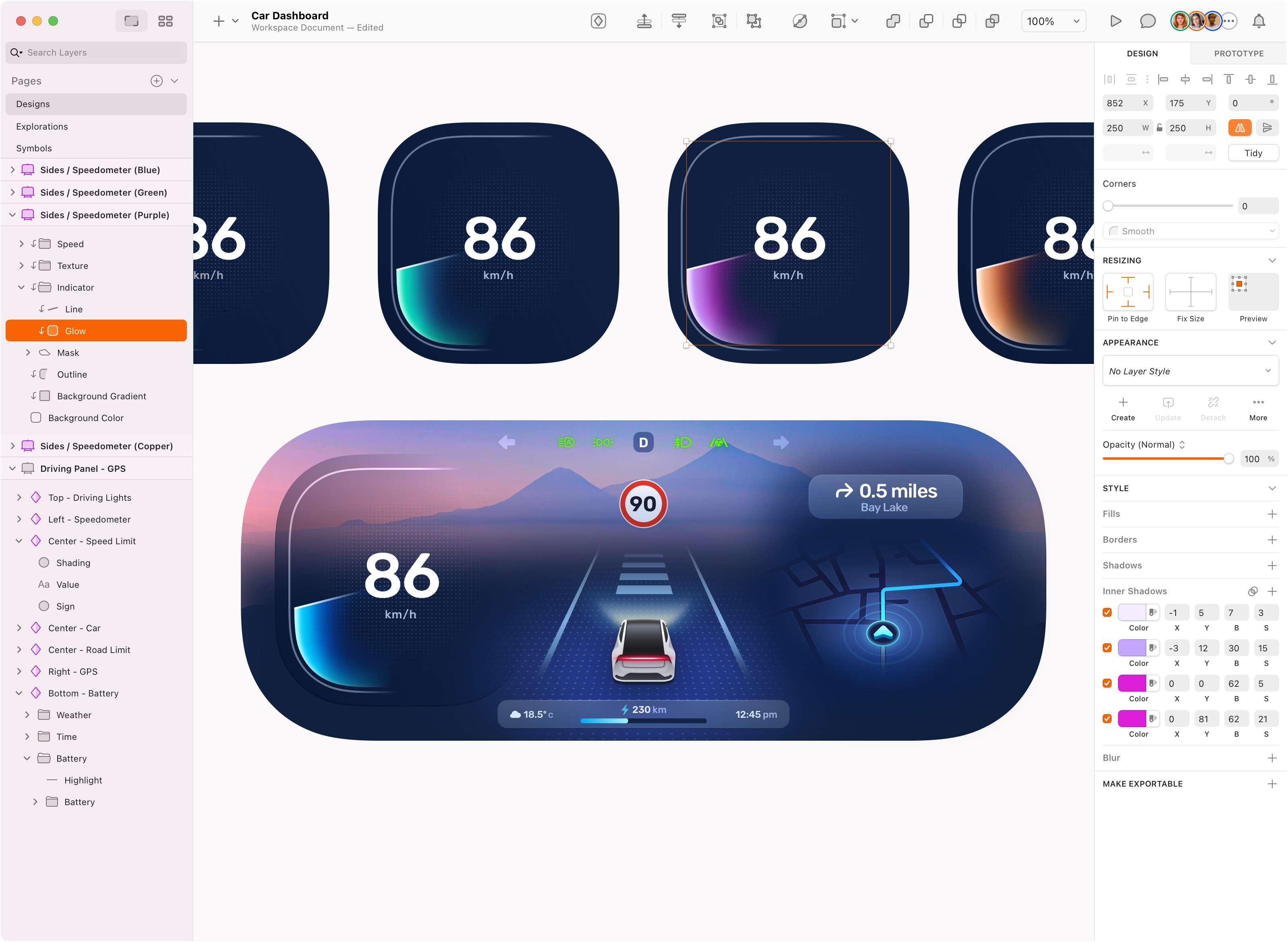
In 2011, Sketch (for Mac only) entered the market — a great SaaS story! It was released by a Dutch software company and remained bootstrapped until it raised $20M Series A in 2019. It grew to one million users (reported in 2020) based on community uptake and plugin contributions. Sketch effectively took Fireworks' place as the go-to UX/UI design tool laser-focused on their target user.
Invision Introduced Design Collaboration
Also in 2011, Invision appeared (initially called Freehand and backed by lots of VC funding — the kind of funding that makes founders briefly forget about product-market fit). It offered basic collaboration tools, such as linking boards and leaving comments. It also enabled interactive designs. This was an absolute game-changer! Adobe was lagging behind, and Sketch wasn't solving the same problem. Invision quickly became an industry standard alongside Adobe and Sketch and ran a highly consumed publication with design expert interviews.

.png)
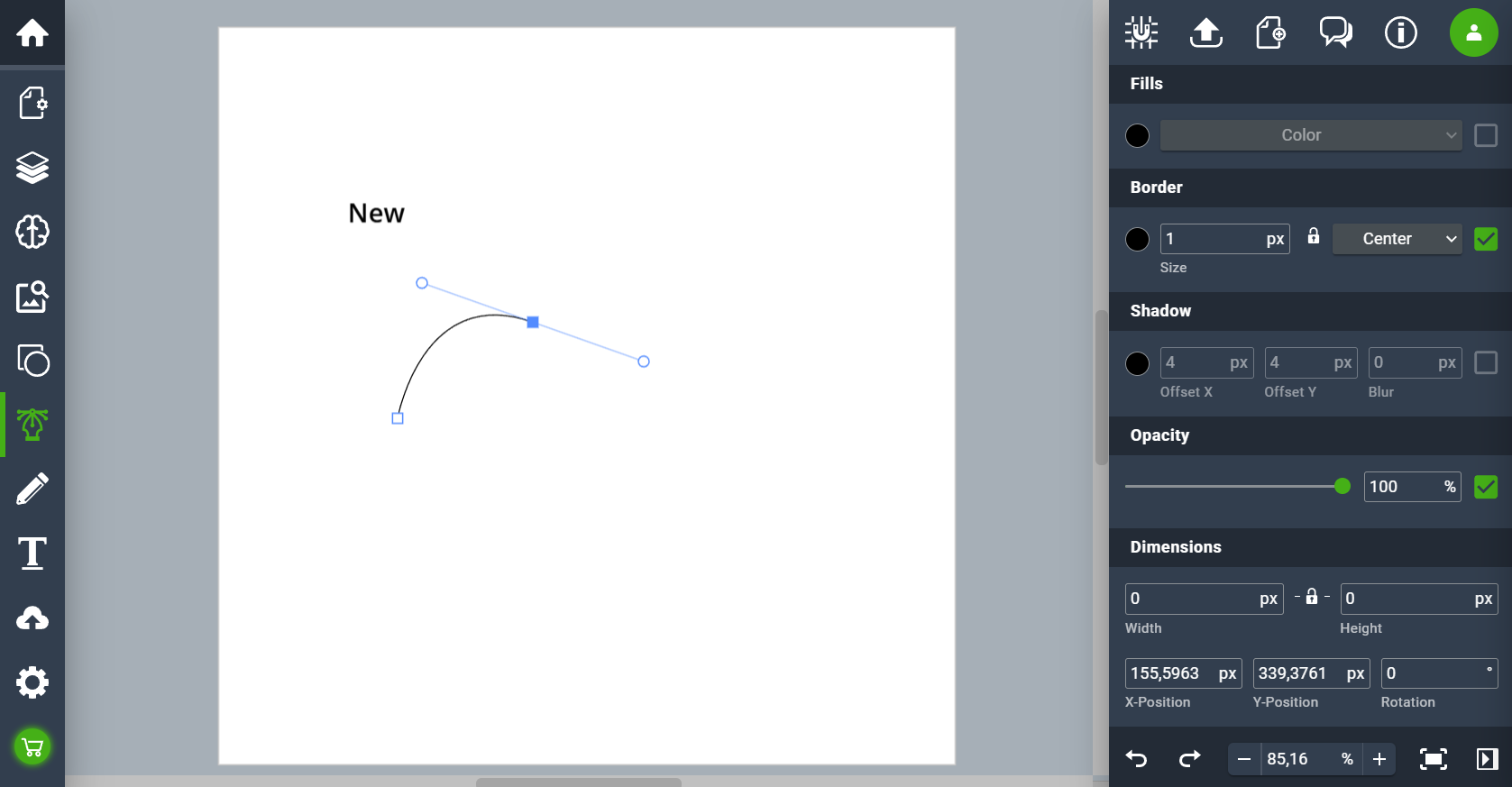
Vectr & Figma Competing Neck And Neck
Fast-forward to 2016: our CEO Vlad became Vectr's first marketing hire. Around that time, WebGL began being widely adopted and replaced Flash for interactive three-dimensional web experiences. This technology revolutionized the Creative SaaS space, as it finally made it possible to design on the web instead of using clunky desktop software that needed updating every time you opened it. And this is exactly what you could do with Vectr.
Below is a short video of Vladimir Vukićević's 2008 presentation of WebGL. He went on to create more Web3 technologies that enable us to use the web for 3D and VR experiences.
Vectr earned 300 backlinks in 3-6 months and 100K traffic in 12 months. It was ranked at the top of all the important design software lists. There were discussions about it on forums like Reddit. It seemed to be in every design corner of the web.
Just like Vectr, Figma also launched in 2016. Figma originally wanted to replace Photoshop, which dominated the market for digital image retouching and compositing at the time. Figma's software eventually outperformed Vectr, and they had more resources. But for the first 6 months after these two platforms were launched, Vectr actually had more traction — like a local restaurant outpacing a future franchise before the franchise figures out its menu. There was a buzz around it, and their site traffic skyrocketed.
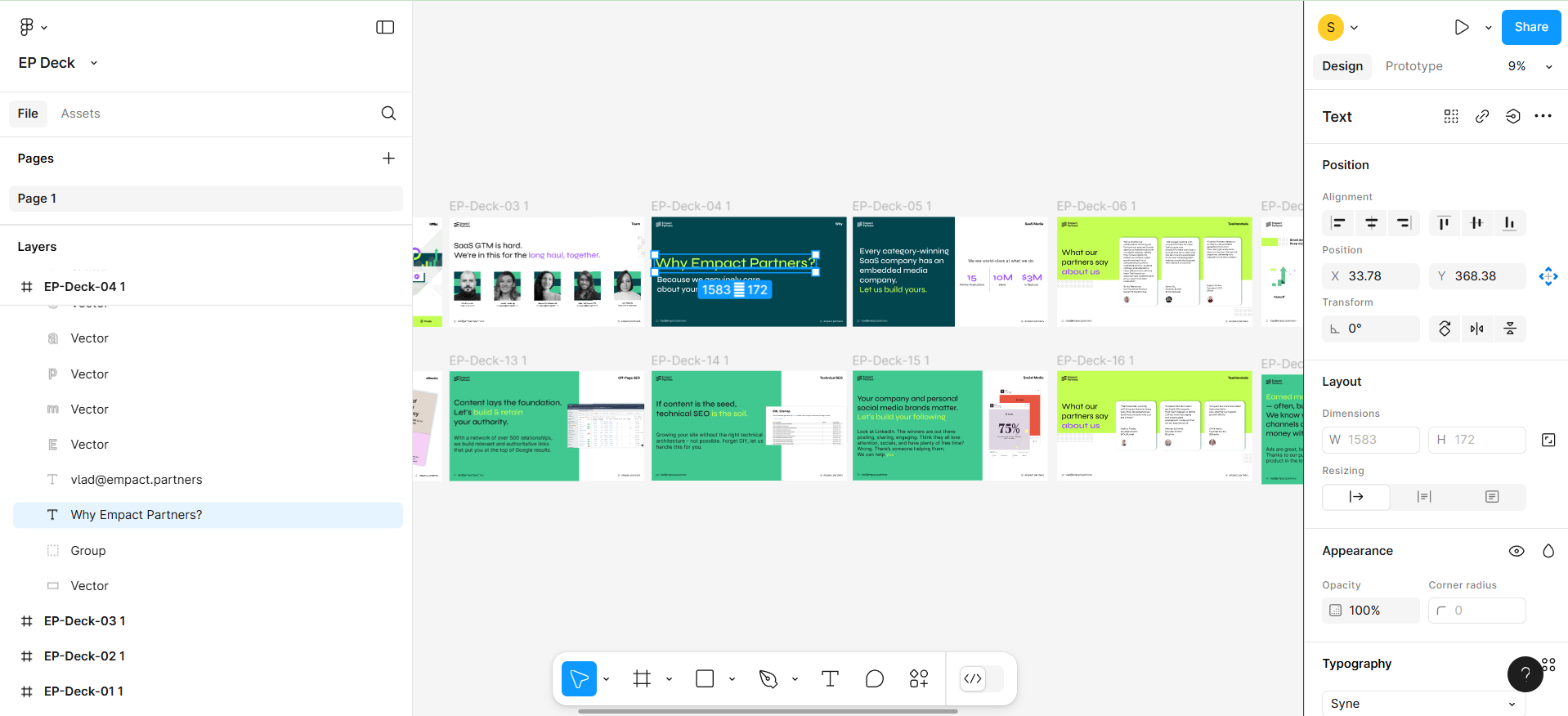
Once Figma's product was significantly better, Vectr lost the game, and everyone left Sketch and Invision. This is because Figma's product-led marketing approach ticked all the boxes:
-
A product that really worked: After fixing all the nasty bugs, Figma did what they set out to do. And designers loved it. It had great features, was easy to use, and allowed for real-time collaboration. No-brainer.
-
High visibility in professional communities: Designers talk to each other. Designers will recommend the software they use to friends, and they'll recommend it to their companies. Figma didn't rely on aggressive marketing tactics like Invision and Vectr did.
-
High adoption rate: Collaboration as a freemium feature to lock users in, plugins and integrations to import existing projects and suit different workflows. No reason to leave Figma.

The Short Story Of Phase
Another special case that Vlad worked on after Vectr was Phase. Phase had a promising idea, but that's all it was — a promise of an idea. It had a great brand and product outline but no platform. Essentially, a beautifully designed loading screen for software that never loaded. After garnering 50K sign-ups to its waiting list, Phase couldn't deliver a competitive product and failed.
Canva Brought The Paradigm Shift
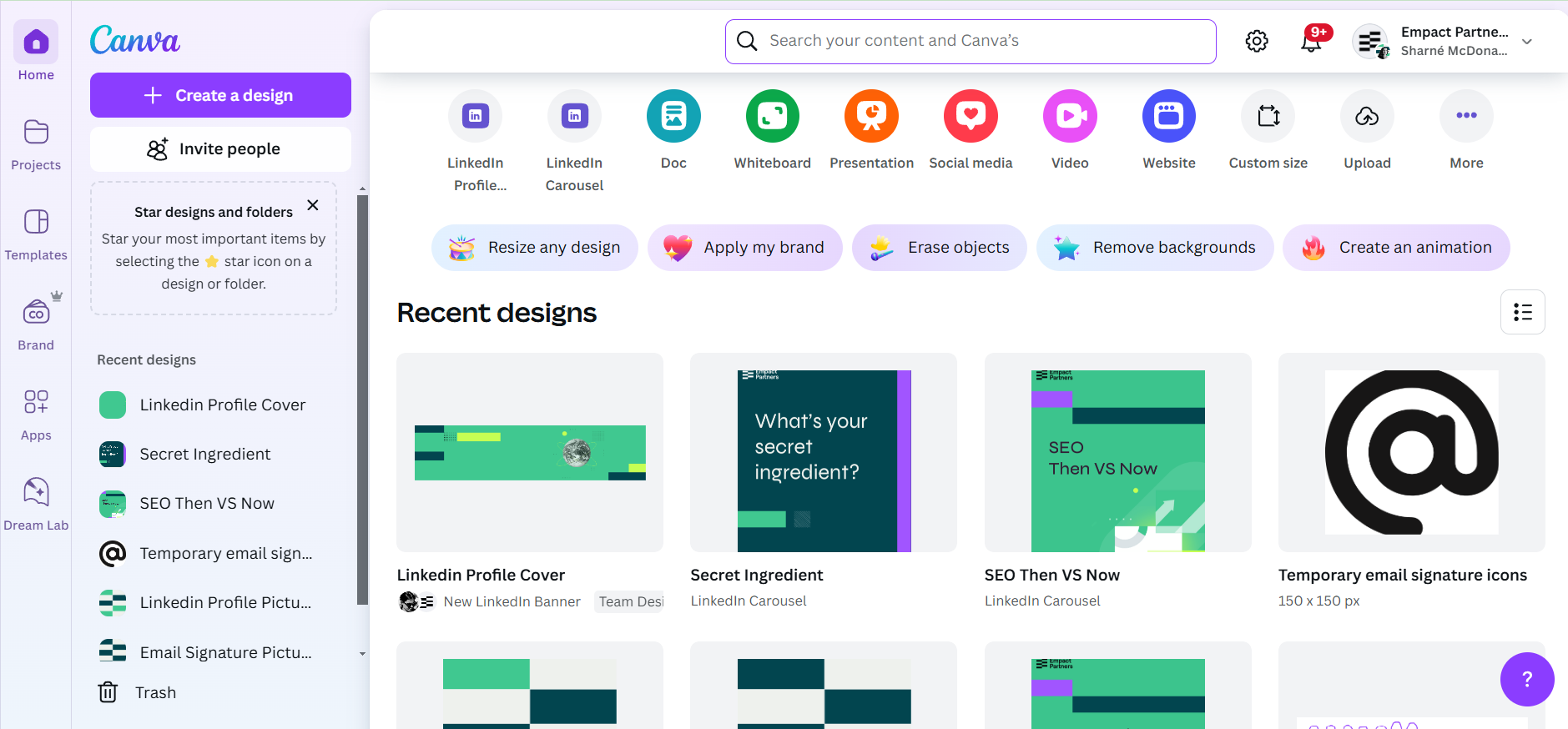
No other product shook the Creative SaaS game more than Canva. Coming in as an underdog (and really, the first versions of Canva were the design equivalent of training wheels — functional but not exactly Tour de France material), Canva was built on two premises:
-
Anyone can design.
-
Content marketing as the GTM strategy.
And they stuck to their guns. Their SEO strategy was so clever and rock-solid that they quickly gained momentum in a growing gap in the Web3 market: non-designers who wanted (or needed) to create visuals. Canva redefined "professional design" — design for work, but not necessarily by graphic designers.

What We Learned Working With Linearity
Another Creative SaaS product close to our hearts is Linearity. Launched at around the same time as Vectr, Figma, and Invision, Linearity was a free iPad-only vector illustration app. At its grassroots, it was answering a new segment in the market: the need for an iPad-native Creative SaaS that could handle vectors. Their nearest competitor was Procreate, a highly popular raster drawing iPad-native app.

Linearity had the upper hand because it could:
-
Handle Bézier curves to produce vector graphics, which are infinitely scalable and editable.
-
Be used for design as well as illustration.
-
Produce an animation of your entire drawing process, which was useful for sharing on social media and forums.
We helped Linearity grow their website traffic to 250K per month with an inbound strategy. Linearity grew in popularity on the Apple App Store, attracting one million downloads and winning awards. Founder and CEO Vladimir Danila was named one of Forbes' 30 under 30 in European Tech. Their internal team also launched webinars and a Slack community to nurture new users into loyal customers.
.png)
Then Linearity monetized and expanded into a design + animation software suite. But we saw some cracks starting to form in their GTM:
-
Not enough differentiation: Moving away from their grassroots segment placed Linearity at the Adobe level, which is a much tougher competition to beat.
-
Not competitive enough: Linearity has amazing features but doesn't offer web-based design like Canva and Figma do.
-
ICP misalignment: When they tried to solve too many problems, their ICP became blurry, and they started losing PMF. (The classic "we're for everyone" trap that means you're for no one.)
But we're optimistic about Linearity. With a truly great product and team — and generous VC backing to boot — Linearity is bound to win in its segment once it finds its new place in the Creative SaaS niche. Their CEO Vladimir recently posted that they took a step back and re-evaluated their approach, fixed some key problems, and are already seeing a 25% decrease in churn:
What's Next For Creative SaaS?
The big shift in Creative SaaS is AI integration and automation — and yes, every SaaS category is saying the same thing right now, but in Creative SaaS it actually makes sense. Design tasks are known to be expensive and time-consuming to do, like editing images or creating complex illustrations. So, who do we think is killing it in the market right now? One of the products we're keeping an eye on is Uizard. It lets you turn concepts into wireframes using AI. It's doing really well in the UI design niche (directly competing with Figma) and actually pivoted along the way. Uizard was acquired by Miro not too long ago.
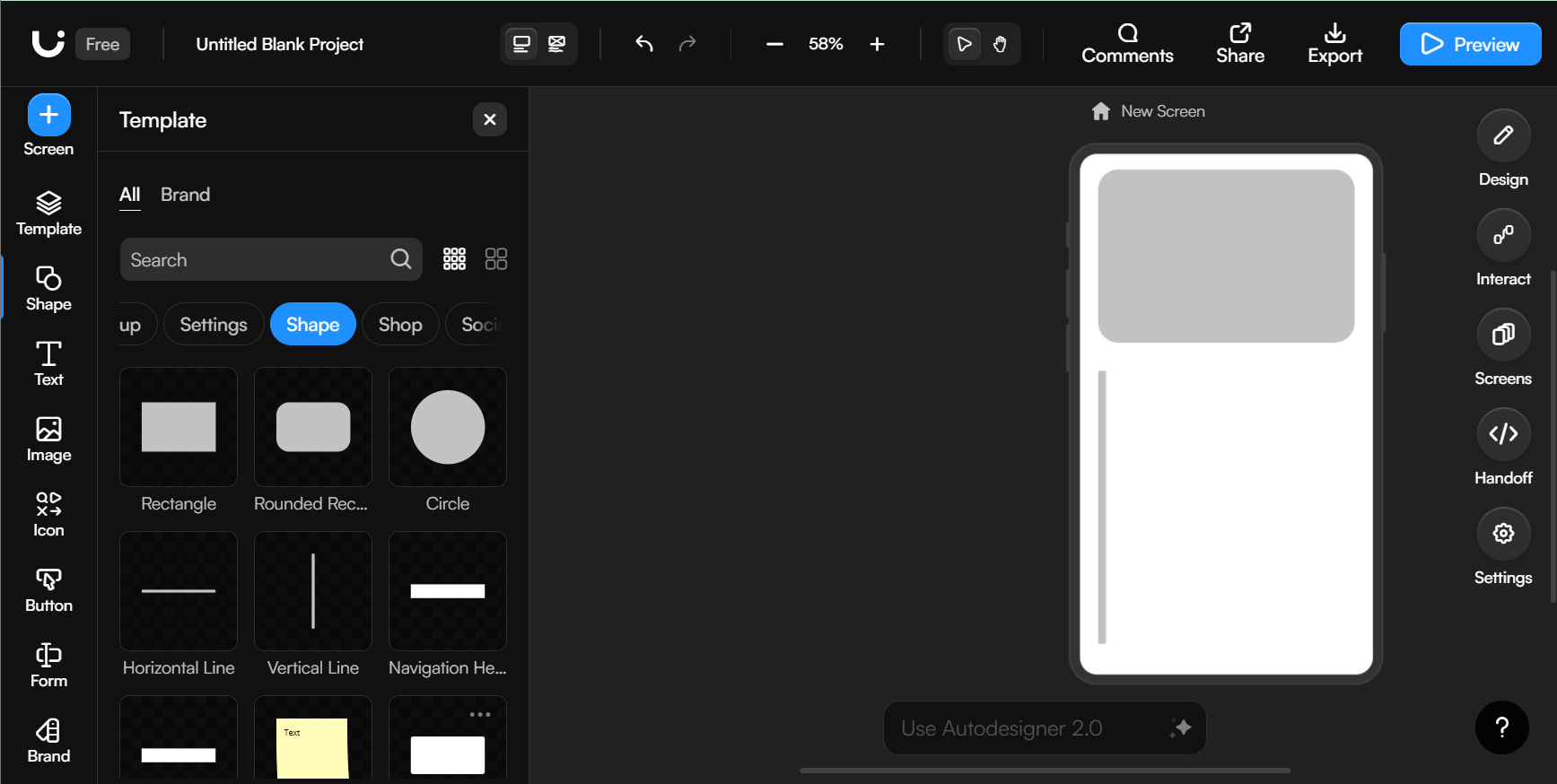
We're also enjoying what the folks are doing at Creatie & Readdy in terms of AI-assisted design. These technologies are fast-tracking the Creative SaaS space, empowering more people to craft good designs and bring their ideas to life on lower budgets.
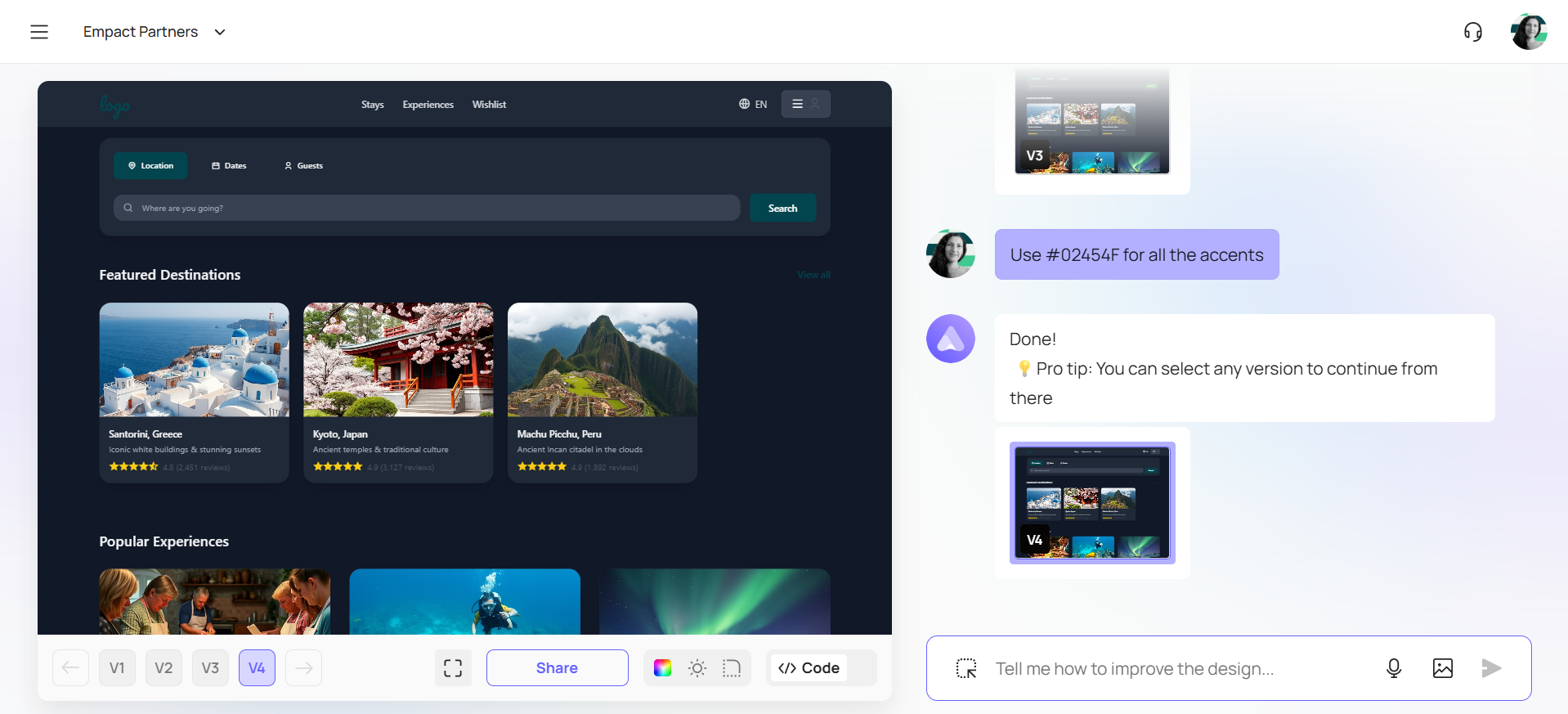
How can a new product differentiate and stand out in this market?
- Create a truly better product and incorporate AI.
- Make it cheaper or better than the biggest player in your niche. Ideally both, but we're being realistic here.
- Specialize and focus on winning in a specific segment.
Not everybody can be Adobe. But there's still space for the Sketches, Figmas, and Canvas — the history of Creative SaaS is basically a revolving door of products that found a gap and sprinted through it. And who knows, maybe Adobe will eventually lose its place at the top and become part of the pool of top options for digital design.
What are your predictions for the Creative SaaS niche? Are you developing a product for the future? We'd love to learn more about you!
Feel free to get in touch on LinkedIn or book a time with me here.