AI Tool · Brand Marketing
Proof Audit
Your website’s claims, on up to fifteen pages, get graded by proof a buyer can check. The proof to add comes to your work email.
Big claims need proof a buyer can find.
Faster onboarding and fewer support tickets are claims many SaaS homepages make. Buyers often check them before they talk to sales, on your page, your reviews and the sources an AI answer cites. When they find nothing behind one, the deal can go quiet before sales hears about it.
We tag each lost deal where the buyer doubted the return or wanted a reference you lacked, so you see what thin proof costs in pipeline. We treat that figure as a ceiling, since nobody wins back every such deal.

Teddy Cipolla
Senior GTM Consultant @ Empact Partners

A claim should promise no more than its proof.
Proof backs a claim only for the buyers, product version and period it describes. An old customer story proves that customer’s result on that version, and no further. Your report ranks the fixes by the buyer question each one answers.
A confident sentence can make thin proof look like enough, so we read the evidence before the claim. When a claim says more than its proof covers, we narrow the wording first and look for new proof after.

Sharné McDonald
Senior GTM Consultant @ Empact Partners
We rewrite each claim to what you can show.
With the people who hold the evidence, a senior consultant works through your key pages, and each claim either gets its proof or gets narrower. Let's partner, and the agent this audit previews rereads each new version of those pages, so new claims get checked too.
A page with forty customer logos and one unbacked headline still has one problem, because logos show who buys and the headline promises a result. We put proof of that exact result beside the headline, where the buyer reads it.
Samantha Spiro
Senior GTM Consultant @ Empact Partners
CORE TEAM
Meet Our Brand Marketing Experts
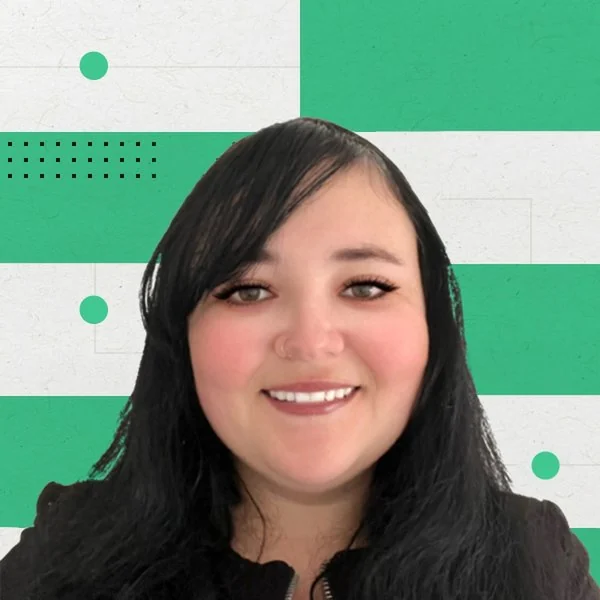
Samantha Spiro
Senior GTM Consultant
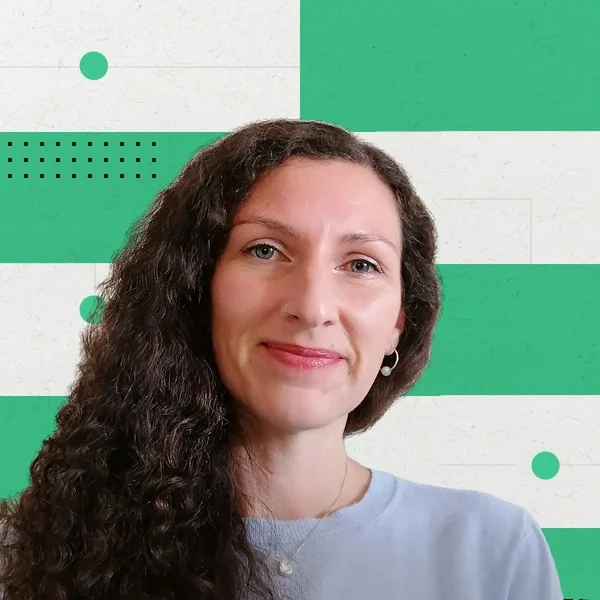
Sharné McDonald
Senior GTM Consultant
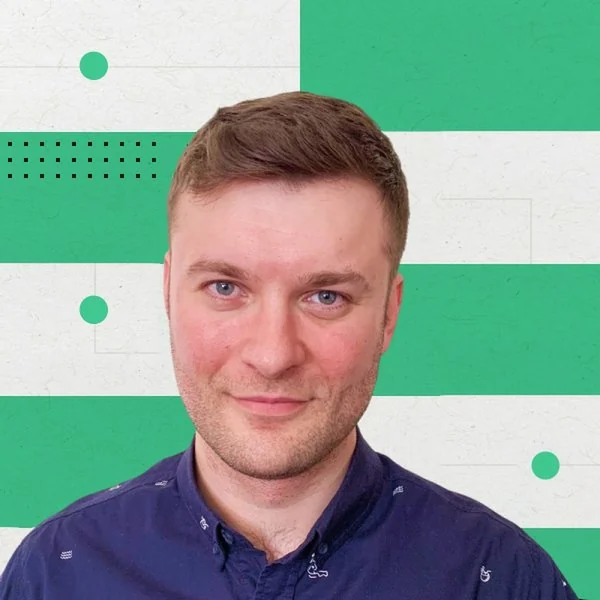
Teddy Cipolla
Senior GTM Consultant
Frequently Asked Questions
What does the Proof Audit check?
Which claims on your key pages a buyer can check. We pull the claims from up to fifteen pages on your site, find the proof behind each one on the pages we inspected and label it direct, indirect, none found or unknown. Then you get the proof to add, in the order buyers would ask for it, and positioning options built only on the claims that hold up. Every claim is quoted exactly as it appears, so your team can find it on the page in seconds. The report never names your customers in its quotes and never invents an example or a figure to fill a gap.
What does the Proof Audit need from us?
Send your website and a work email. From there, the audit finds your key pages and any public pages that might prove your claims, such as case studies and docs. Nothing private is read, so proof that lives only in your CRM or sales decks will show as none found until it is published on a page the audit can read.
Why does proof matter so much?
Because claims like faster onboarding or fewer support tickets appear on almost every SaaS homepage, and buyers have learned to skip them. They believe the claims they can check: a named customer, a dated figure, a case study one click away. AI engines also lean on specific, sourced claims when they describe a product.
What is the difference between direct and indirect proof?
Direct proof backs the claim itself, such as a case study showing the exact result you claim, with the customer named. Indirect proof supports it without proving it, such as a review that praises the feature in general terms. None found means we searched the inspected pages and found nothing, and unknown means the evidence could not be read. A group of claims passes only when every claim in it has direct proof, and one claim with no proof marks the whole group as a fix.
Which kinds of claims do you look at?
Your headline claims, numeric claims like percentages and customer counts, capability claims about what the product does, and outcome claims about what customers achieve. Numbers get special attention, because an unsourced figure is the first thing a careful buyer doubts. Vague claims with no number at all are noted too, since they are often the easiest to make specific.
Does an unknown label mean our claim is false?
No. Unknown means the evidence could not be read, and none found means the inspected pages hold no proof for the claim. Neither says the claim is false, because the proof may exist in a sales deck, a customer email or your data. The plan shows you where to put it so buyers can find it.
What are the positioning options?
Ways to position your product using only the claims that have proof behind them. You get up to three, and fewer when the evidence cannot support three. They are options for your team to consider, not a new message to adopt as is. They are a useful check before a repositioning, because they show which story you can already back.
Does it check whether our descriptions match?
The Messaging Consistency Audit looks at whether your descriptions match across channels. The Proof Audit checks whether the claims on your own pages are backed up. A company can describe itself consistently and still prove very little, which is why the two are separate tools.
How does the proof audit arrive?
By email. Vlad Shvets, our founder, sends you a link to the PDF on Google Drive, and you can forward that link to anyone on your team.
Why is the Proof Audit free?
We run it free as a single pass of the agent that reads our brand partners' key pages for newly added claims. Where a claim lacks proof, our consultants track it down with the partner's team and put it next to the claim. The free audit shows you how much of your current copy a buyer can check.
What is the quickest proof to add?
Usually something you already have: a customer quote you are allowed to use, a case study that exists but is buried, or a dated figure from your own data. Linking a claim to proof that already exists is often a one-line change. The plan puts those quick wins first, and each fix names the kind of proof it needs, such as a case study, a dated figure or a named quote. Ask your customer success team, who usually know which customers would happily be named.
Which claims should we prove first?
Start with your boldest claim, the one on your homepage that buyers see first, and put direct proof next to it. Then work down the plan, and remove claims you cannot prove. If you want our consultants to gather the proof with your team, book a call with Vlad.
Ready
To Connect?
Let's Partner